
Belonging begins somewhere
What creative health can teach us about place
Children’s Mental Health Week. Theme: This is My Place
When we talk about children and young people’s mental health, we often talk about support systems, services, interventions, and referrals. What we talk about less, but what young people consistently show us matters, is belonging.
-
Belonging to a place school or neighbourhood.
-
Finding your people - belonging with others.
-
Belonging to something that feels safe, meaningful, and theirs.
Through the Artsmark #BeeWell pilot, Curious Minds has been collaborating with schools, artists, and communities to explore what happens when we take that idea seriously and design creative wellbeing activity that starts with where young people are, not where systems would like them to be.
Listening to place: what the #BeeWell data opened up.
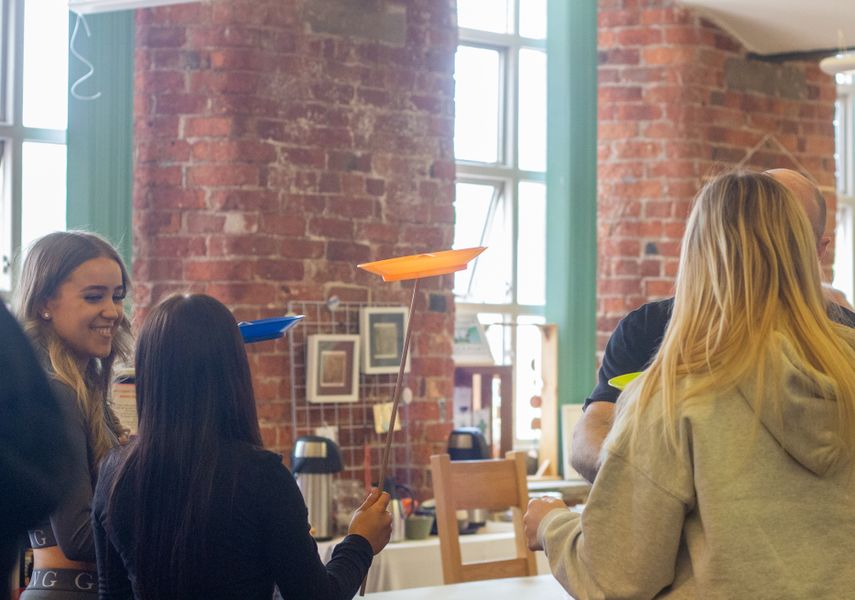
Across the pilot, schools used #BeeWell wellbeing data alongside pupil voice to understand what young people were experiencing in their schools and neighbourhoods.
The #BeeWell Survey explores belonging in different contexts including:
- School Belonging
- Local Area Safety / Place
- Places to Spend Free Time
The school looked at their specific school data and their neighbourhood data, But the data only became meaningful when it was explored with young people. As one teacher reflected, the value wasn’t the headline findings it was the shared interpretation:

You’re not designing at a child; you’re designing to a trend and then unpicking what that means with them. That’s where it becomes real." (Teacher)
The Arts Council England Artsmark Development Team had funded us to look at arts and wellbeing within the context of the Artsmark Award.
Using the #BeeWell data as a starting point, we wanted to build on our previous experience of using place-specific #BeeWell data to empower young people to become commissioners of culture. We planned a multifaceted project to take the schools, teachers, and pupils on a developmental journey.
35 young people undertook the RSPH (Royal Society of Public Health) Young Health Champions Creative Health Module, informed by the #BeeWell data and led by the Young Health Champions. The schools undertook a micro commission for their specific school context, followed by a neighbourhood commission.
That process, moving from data to dialogue, shaped what schools chose to do.
Wigan: building belonging through shared place.
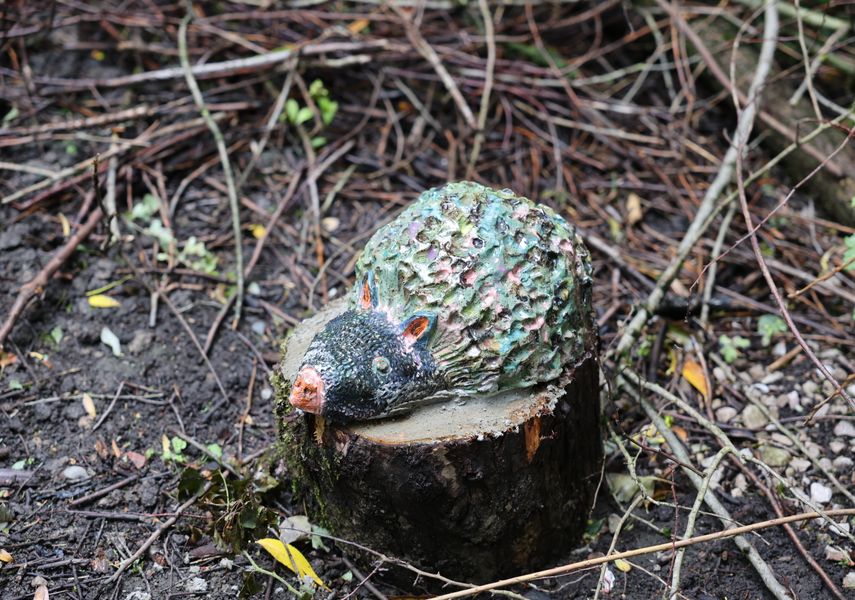
In Wigan, three schools – Bedford High School, Golborne High School and Byrchall High School – worked together on a neighbourhood commission that centred on Pennington Flash Nature Reserve: a central and relevant location between their schools, but not always part of young people’s everyday lives.
Young people designed and created a permanent sculpture trail, collaborating with artists and each other across school boundaries.
For many, this was the first time they had:
- collaborated with pupils from other schools.
- spent sustained time outdoors.
- contributed something lasting to a public space.
Teachers described how this shifted young people’s relationship with place:
“Moving from thinking about an individual in a school building to being integral in creating and maintaining something in the community, that’s been pretty remarkable.” (Teacher)
Young people spoke about pride and ownership, not just in the artwork, but in the place itself:
“At the end of the day, I felt confident and proud. This has helped my wellbeing, and I hope it makes others feel happy and grounded when they visit.” (Pupil)
Some pupils later returned to the sculpture trail with family and friends, a small but powerful signal that belonging had extended beyond the project itself.
Falinge Park (Rochdale): connection through shared space
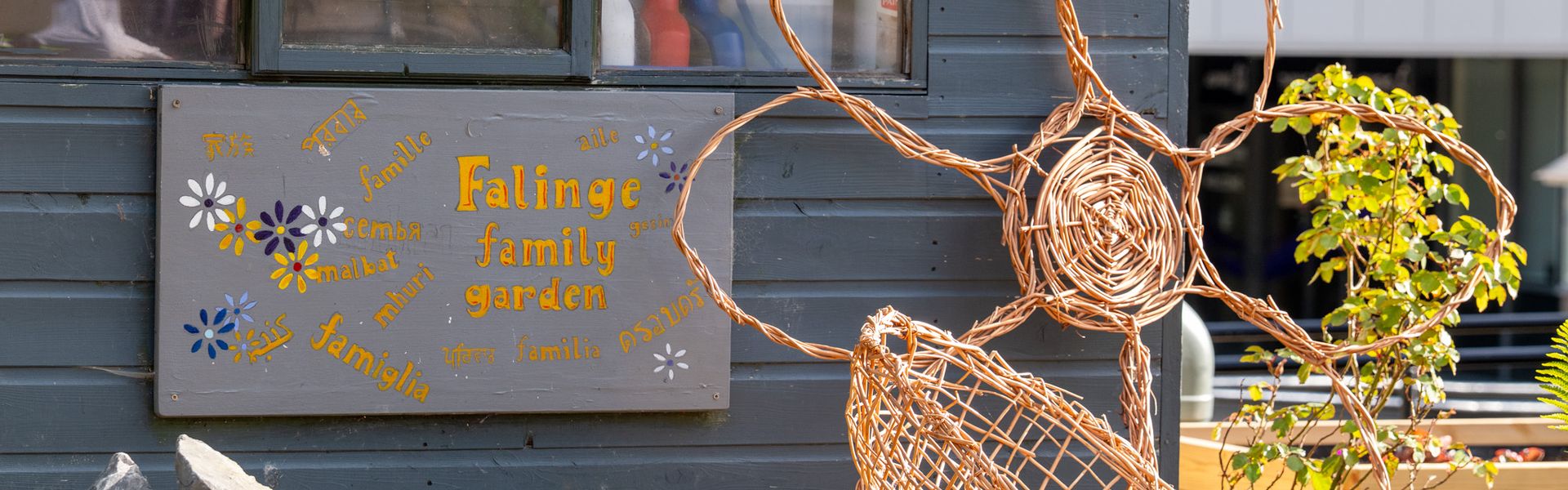
At Falinge Park High School, #BeeWell data highlighted anxiety, stress and the need for calm, shared spaces. The response was an Arts, Words and Wellbeing Garden, developed with pupils and local partners.
The garden became more than a project outcome. It became a place where young people could slow down, connect and feel safe together. Teachers noticed changes in how pupils related to one another:
“From being thrown into a project with young people they’d never met, we saw genuine teams form, relationships, collaboration, conversation.” (Practitioner).
Pupils described the emotional impact of being able to share openly in that space:
“I feel proud and not alone. I was honest and sometimes sad, but they let me say it, and then I felt proud and not alone.” (Pupil)
That phrase, ‘not alone’, came up repeatedly. Belonging wasn’t abstract. It was felt, embodied, and shared.
Bolton: young people shaping the places they want to belong to
In Bolton, pupils used #BeeWell data showing low confidence and a sense of not being heard to ask a bigger question: what would our town look like if young people designed it for wellbeing?
Their neighbourhood commission focused on youth-led place-making, transforming underused town-centre spaces through creative activity and public celebration. Young people described a strong sense of autonomy and ownership:
“All respondents reported feeling a sense of autonomy in the project.” (Teacher summary)
And pupils spoke about the confidence that came from being trusted:
I didn’t think people would listen to us. But they did, and now it feels like this place is partly ours.” (Pupil)
For teachers, this reinforced the idea that belonging grows when young people are given real influence, not symbolic roles.
Special Consideration
We worked with two special schools: Hollinwood Academy, a special school in Oldham that provides an educational offer for children and young people with a diagnosis of Autism Spectrum Condition (ASC) and Speech, Language and Communication Needs (SLCN), and Piper Hill High School (Manchester), a special school for pupils aged 11–19 catering for students with significant and complex special educational needs and/or disabilities (SEND).
Collaborating with these schools presented new challenges and gave us some of our richest learning.
As is often the case at special schools, many pupils travel a significant distance and don’t develop a sense of the local neighbourhood. This made it more important to focus on school belonging and finding ways to invite the community in.
The special schools also needed to find teaching artists with the requisite skills, knowledge, and experience to work effectively with their pupils. A few bumps along the way were overcome with fantastic results.
What the schools did:
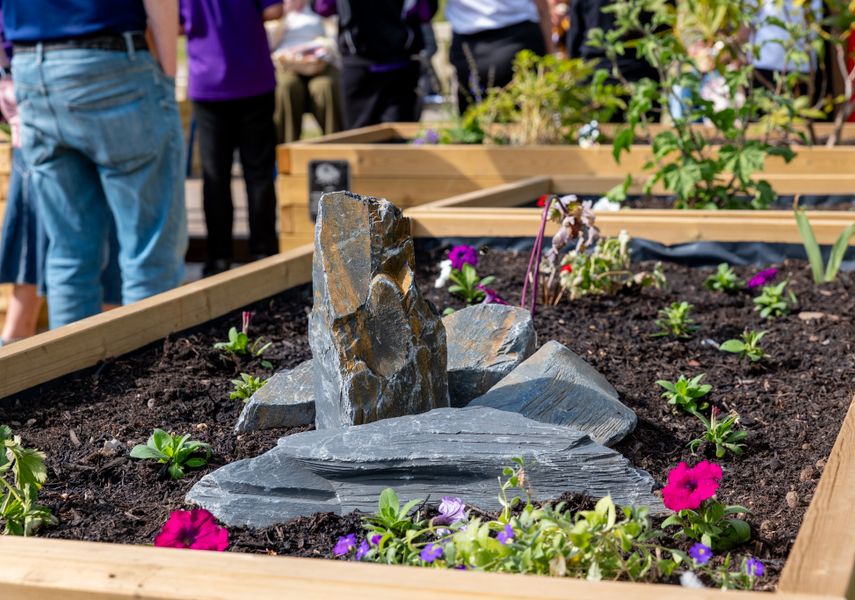
Hollinwood Academy (Oldham) worked with local organisations to create a cultural identity through a shared space that promotes creativity and inclusivity.
Activities included creating an outdoor wellbeing space, developing cultural logos for the school, designing horticultural planters for outdoor space and developing a logo for the forest school team. Their work culminated in a festival day with the artists and practitioners invited to join young people and families from the area surrounding the school.
Piper Hill’s project focused on bringing accessible creative arts into school. Activities included ceramic tile workshops, showcasing them as part of an installation in the school’s outside space. Outwardly, they focused on re-engaging with parents. Parental engagement is often tricky where families live longer distances from school and had dipped even further during COVID but have not recovered. Working with a musician, they devised a showcase performed for parents, families and carers, creating a catalyst for connection.
Belonging is built through relationships and place.
Across all the areas, a pattern emerged.
Creative activity:
- brought young people together who wouldn’t normally connect.
- changed relationships between pupils and staff.
- created physical spaces that carried emotional meaning.
- made wellbeing visible in everyday school life.
One teacher summed it up powerfully:
“Physical changes within schools can change culture.”
And another reflected on the role of creativity itself:
“The arts have been transformational in reaching people who wouldn’t normally engage and making them feel they belong.”
Young people can feel unwelcome in public spaces and, at worst, are designed out.
Cultural venues are an important point of access but can feel intimidating and at times unwelcoming to unaccompanied young people. To help alleviate this, we developed a training course to help front-of-house staff make teenagers in particular feel welcome in cultural venues.
A free online version of the training is available here.
We know how important belonging, feeling connected and welcomed at school, and in their neighbourhood is to young people’s mental health and wellbeing. The Artsmark #BeeWell pilot shows that belonging can be intentionally designed back in through creativity, trust, and shared ownership.
What this means for Children’s Mental Health Week
Children’s Mental Health Week reminds us that mental health isn’t only shaped in moments of crisis. It’s shaped by whether young people feel:
-
seen
-
safe
-
connected
-
valued in the places they spend their lives.
Creativity doesn’t just support wellbeing. It helps young people feel at home in their schools, their neighbourhoods, and themselves, and that matters.
_________________________________________
Emma Bush is Director of Education and Leadership at Curious Minds and Creative Health Lead – this blog draws on the #BeeWell Artsmark Pilot, which was a 2-year-long programme funded by Arts Council England that ran between 2023 and 2025. It aimed to explore how schools and cultural practitioners can use the #BeeWell data to devise and deliver creative and cultural learning interventions that target the identified wellbeing needs of young people as part of the school's Artsmark journey
The #BeeWell data was sourced from the wellbeing survey programme led by the University of Manchester, the Anna Freud Centre, and the Greater Manchester Combined Authority.
Seven secondary schools from the Greater Manchester Combined Authority boroughs participated in the programme. Two of these were specialist SEND settings.
For more information: